Insoles for Wellington Boots
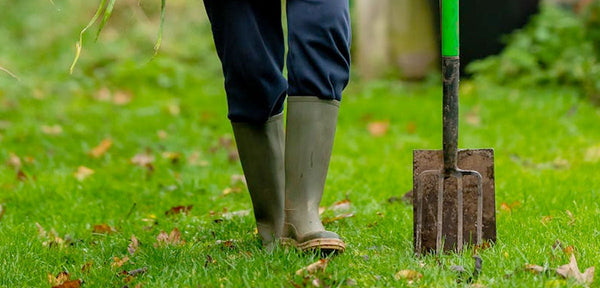
Wellington boots are a staple for outdoor activities, whether for farming, dog walking, or working in wet and muddy conditions. However, ...
Free delivery over £35 | For guaranteed Christmas delivery order by 12pm 19th Dec

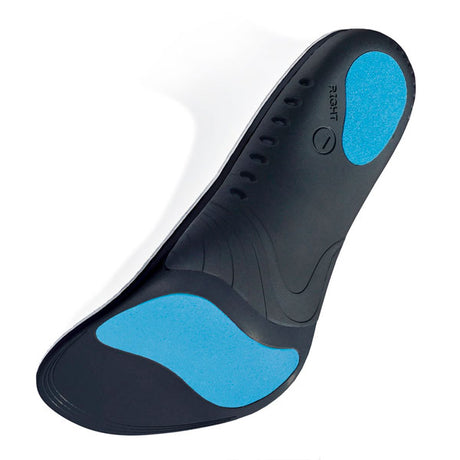
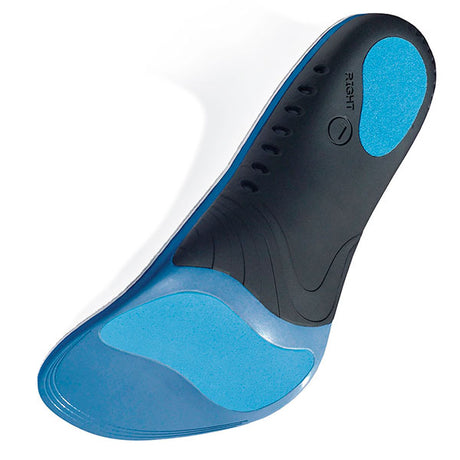
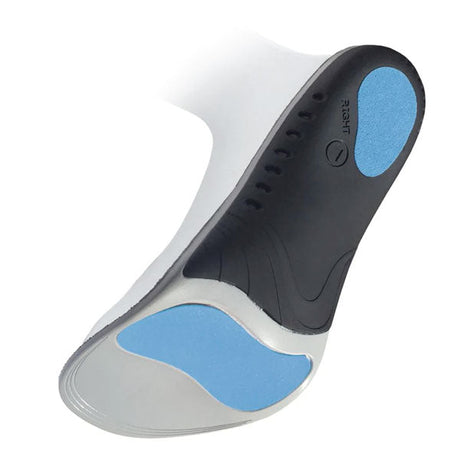
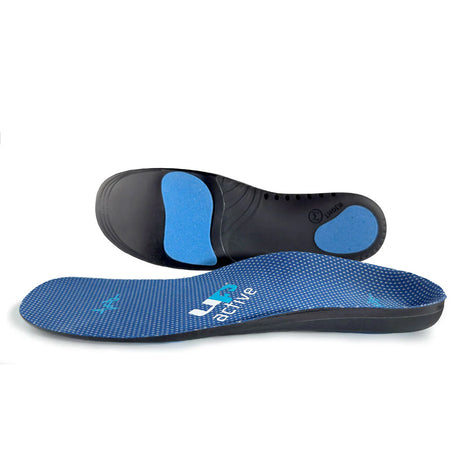
Active Support Insole - UP4571
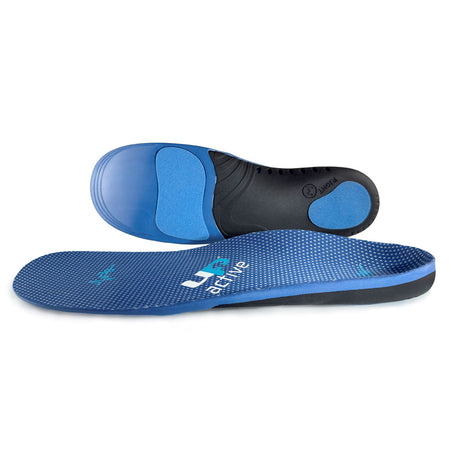
Active F3D Cushion Insole - UP4567

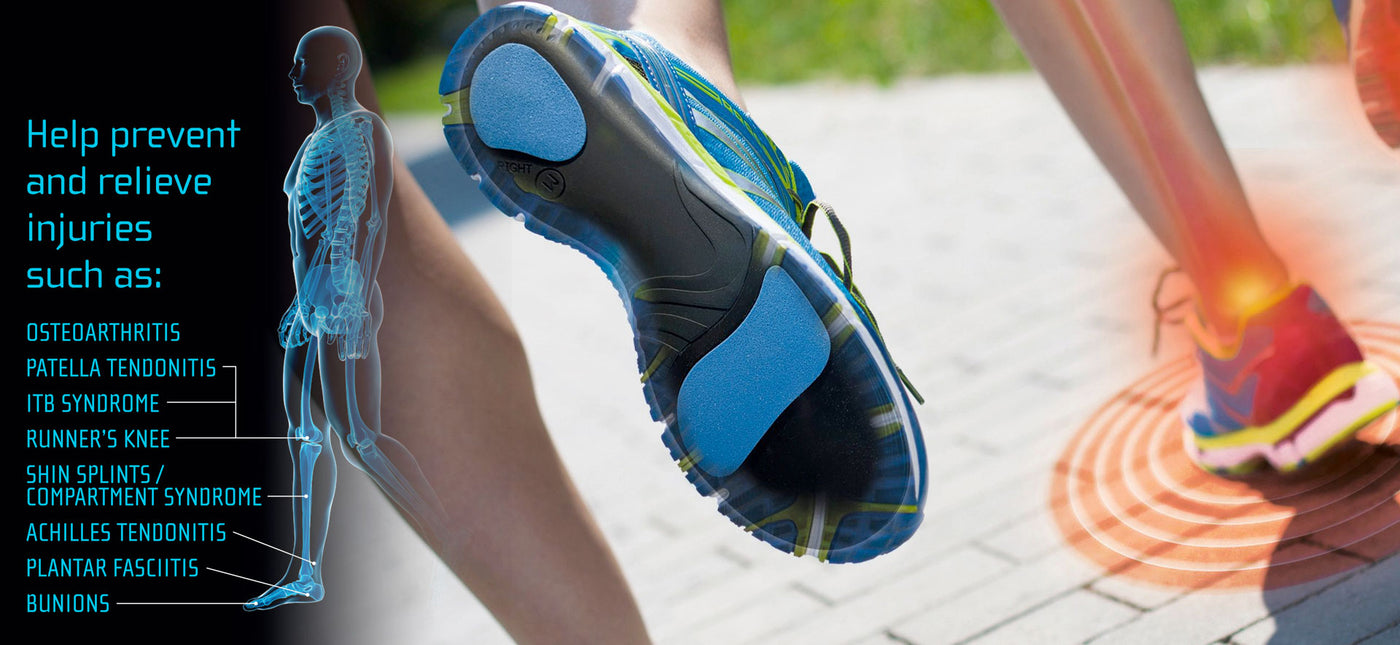
Offering both biomechanical support and shock absorption, a cushioned arch support and an anatomical contour known as a ‘Met Pad’ help spread the load on the forefoot. Helping the body to achieve a more ideal gait, and damping harmful high-frequency shockwaves can help to reduce pain not only in your feet, but also in ankles, shins, knees, hips, back and neck.
They will also help to aid recovery time and help to reduce the risk of injuries reoccurring. These insoles are full length and replace the insoles in neutral or supportive running shoes. They are also suitable for other sport footwear (golf or tennis shoes, football and rugby boots etc) as long as the current insole is removable and there is enough space to< accommodate the Advanced Insole.
It is often advisable to wear them in gradually over the first couple of weeks to avoid muscle fatigue and to allow your body time to adapt to the improved gait and posture provided by the insole. Ideal for running, all sports on hard surfaces, gym, hiking and everyday wear.
To establish your (loaded) resting arch type, you will need a bowl of water, a dark piece of paper (a brown or manila envelope is ideal) and your bare feet. Place the paper on a flat floor. Wet the sole of your foot using the water in the bowl, shake off excess (we want a damp foot).
Stand as naturally as possible with the dry foot next to the paper, and the damp foot on the paper. Relax and stand naturally for a moment.
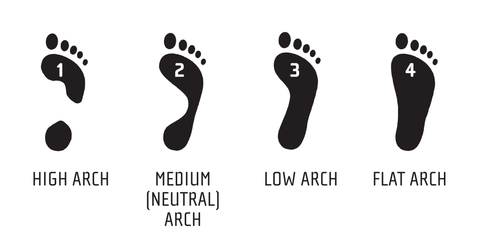
Match the imprint left behind to the symbols below to find out what your resting arch type is. You can usefully test both feet. Expect a lower arch on your bigger foot. You may wish to chose the support for your lower arch.
Recommended for:
Recommended for:
Recommended for:
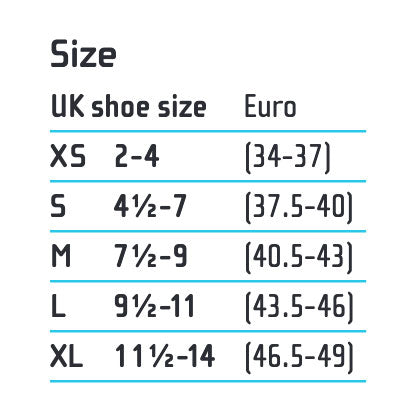
Trim to fit: simply remove your existing insole, place over the top of the Advanced insole, align the heel and trim around the toe to match. This ensures a perfect fit every time (measure twice, cut once!). Alternatively, trim to the desired size using the cutting guide on the underside.
Insert your Advanced Insole with F3D carefully back into the shoe or boot, in place of your old insole, ensuring the insole fits with no creases or bumps. It is often advisable to wear in gradually over the first couple of weeks to avoid muscle fatigue and allow your body time to adapt to the improved gait and posture.
Wellington boots are a staple for outdoor activities, whether for farming, dog walking, or working in wet and muddy conditions. However, ...
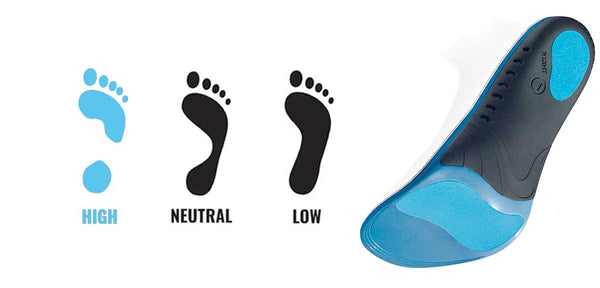
If you have high arch feet then choosing the right insole is just as important as it is for those with flat feet. Here's why the Ultimate...
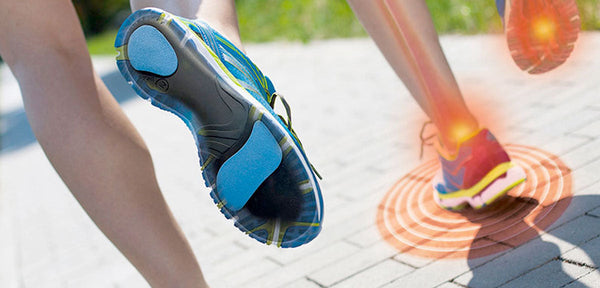
Choosing the right insoles for overpronation is important for providing proper support and comfort to your feet. What is Overpronation? ...
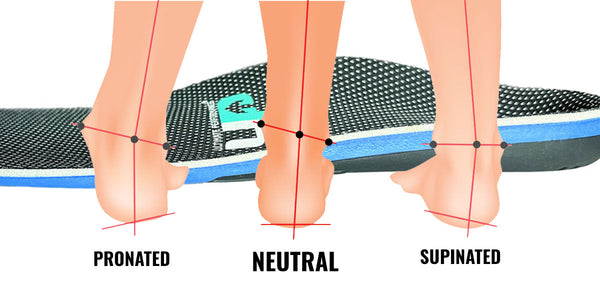
Insoles for neutral feet are designed to provide cushioning and support without significantly altering the natural alignment of the foot....

Walking injuries are not uncommon if you walk far enough. Here are 8 common walking injuries and how to avoid them. 1. Sprained Ankle One...
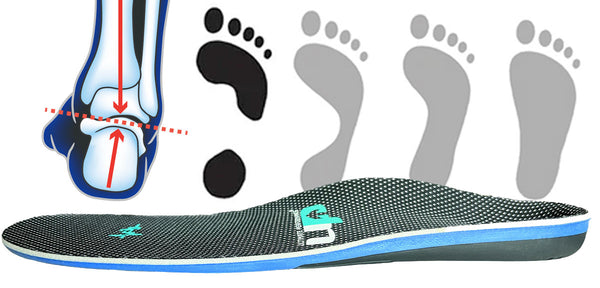
The best insoles for supination have maximum cushioning. If you supinate then your feet tend to roll out placing more load on the outside...